In a world where stories of love and sacrifice often touch your heart, the tale of Mary in Bethany stands out with its profound depth. She chose to break an alabaster jar, pouring out her most treasured possession on Jesus’ feet as a pure act of devotion. This story invites you to reflect on the nature of true worship, encouraging you to ponder what you might be willing to let go of in the name of love and faith.
As Mary’s actions resonate deeply, you’re drawn into a narrative that challenges and inspires. Her sacrifice becomes a mirror, showing the true essence of giving without reservation. This cherished biblical account from Bible Bites 365 is sure to ignite a renewed sense of passion and dedication in your spiritual journey. Remember to immerse yourself in this timeless lesson of love and devotion.
Understanding the Context of Mary’s Gesture
Geographical and Cultural Background
In the heart of the ancient Near East lies Bethany, a small village on the eastern slopes of the Mount of Olives, near Jerusalem. This setting is more than just a backdrop; it is a place rich with cultural and religious significance. In biblical times, Bethany was a place frequented by Jesus and his followers. The customs and social norms of this region were deeply influenced by Jewish traditions, where hospitality and community played essential roles in daily life. The significance of one’s actions and gifts was often measured not just by their material value but by the love, respect, and intent behind them.
Who was Mary in Bethany?
Mary of Bethany, often remembered for her deep devotion, was the sister of Martha and Lazarus, friends of Jesus. Her story is one of simple yet profound acts that speak volumes about love and dedication. Unlike others who might express their faith through words or public acts, Mary’s love was demonstrated through quiet, personal devotion. She is often depicted sitting at Jesus’ feet, listening intently, and showing a willingness to forsake societal norms for a moment of spiritual communion. Mary’s actions emphasize a personal connection with Jesus, one that transcends social expectations and prioritizes spiritual intimacy.
The Significance of Alabaster in Ancient Times
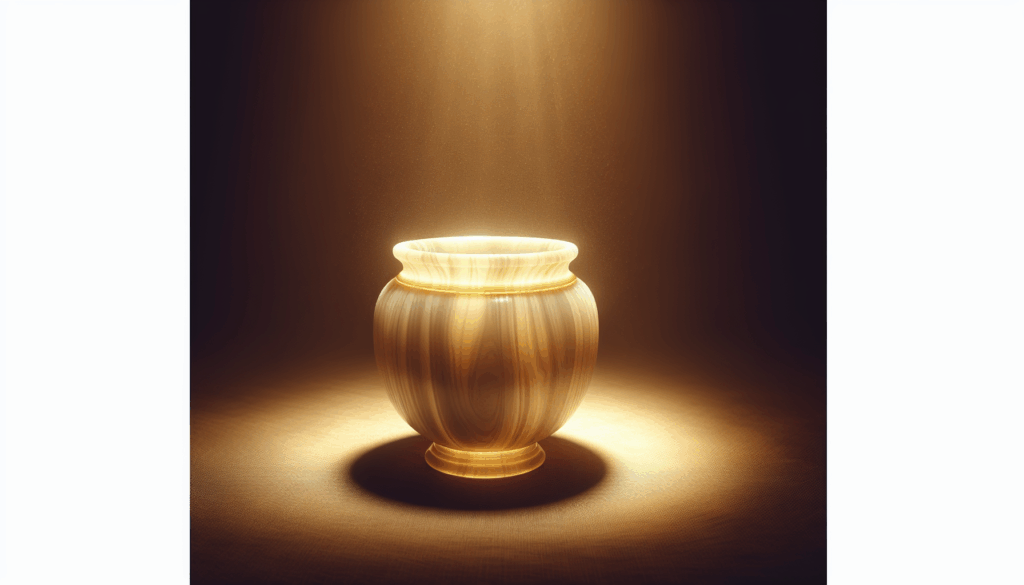
Alabaster, a beautiful, white, and smooth stone, was highly prized in ancient times. It was often used to make containers for precious substances, especially perfumes and oils. The alabaster jar used by Mary was more than a mere vessel; it was a symbol of purity and beauty. In a cultural context where the materials used for items reflected their significance and worth, alabaster stood out as a material reserved for special occasions and invaluable possessions. This made the gesture of breaking such a jar even more meaningful, as it was an act of giving away something both materially valuable and symbolically significant.
The Biblical Account: A Narrative Analysis
Scriptural References to the Story
The story of Mary anointing Jesus can be found in several books of the New Testament, notably in the Gospels of Matthew (26:6-13), Mark (14:3-9), and John (12:1-8). Each account provides a slightly different perspective, but all highlight the profound nature of her act. While the core elements remain consistent, such as Mary anointing Jesus with expensive perfume, the different narratives offer unique insights into the reactions and implications of her actions.
Telling the Story: A Detailed Walkthrough
As the narrative unfolds, Jesus is at the home of Simon the leper in Bethany. Mary enters with an alabaster jar filled with expensive perfume and anoints Jesus by pouring it over his head and feet, also wiping his feet with her hair. This act of pouring out something so valuable showcases her deep love and reverence. The room, filled with the fragrance, becomes a testament to the beauty of her sacrifice, an act done in silent devotion and love.
Comparative Analysis with Other Gospel Accounts
Examining this story through the lenses of the different Gospels reveals various dimensions. In Matthew and Mark, the focus is more on the preparation for Jesus’ burial, while John emphasizes the personal aspects of Mary’s act, portraying her in a more intimate and emotional setting. Comparing these accounts highlights not only the layered meanings of the gesture but also the consistent theme of sacrificial love that permeates through each telling.

The Symbolism of the Alabaster Jar
Alabaster as a Symbol of Purity
Alabaster’s purity is not just in its visual beauty; it represents the honest, heartfelt intentions behind actions. In choosing an alabaster jar, Mary expresses the purity of her devotion. This symbol of purity serves as a reminder that acts of worship should come from a heart sincere in its intentions, focusing not on personal gain but on true homage.
The Value of the Perfume
The perfume inside the alabaster jar was of significant value, equivalent to a year’s wages, making it an extraordinary gift. Its worth underscores the magnitude of Mary’s sacrifice—a gift freely given without hesitation. The perfume’s cost highlights the concept of giving God the best of what one has, a theme that transcends material wealth and reflects an abundance of spirit and generosity.
What the Broken Jar Represents
Breaking the jar symbolizes a complete offering, one that cannot be taken back or undone. It represents total commitment and the willingness to give everything in devotion. In Mary’s act, the breaking of the jar is a metaphor for the breaking of barriers, the letting go of earthly attachments in favor of spiritual devotion, and the demonstration of love through irrevocable acts.
Mary’s Act of Sacrifice: An Examination
Assessing the Cost of the Sacrifice
From a material standpoint, the sacrifice was immense. The perfume represented significant financial value, but for Mary, the cost went beyond money. Her sacrifice was one of humility and service, challenging social norms and potential criticism to express her profound love for Jesus. This was an all-consuming gesture that placed spiritual priorities above societal judgments.
Emotional and Spiritual Dimensions
Emotionally, Mary’s act conveys deep devotion and a personal connection to Jesus. It reflects a heart willing to express love in the most generous way possible. Spiritually, it becomes an act of worship, recognizing Jesus’ impending sacrifice and embracing her faith with open hands. This act encapsulates the essence of sacrificial love that goes beyond material loss, venturing into the realm of selflessness.
Implications of Sacrificial Giving
Sacrificial giving is not just about what is given but why and how. Mary’s giving exemplifies the profound impact of selfless love and the blessings that flow from such actions. Her example encourages believers to evaluate what they consider to be of true worth and to offer it in service to others and God. This form of giving transcends material wealth and highlights the transformative power of generosity born out of love.

The Role of Worship and Devotion
Defining True Worship
True worship is an expression of profound love and reverence, characterized by a desire to honor and serve. Mary’s act exemplifies this, showing worship not just in words but through actions that embody devotion. It reflects a heart attuned to the divine, willing to lay down its treasures in acknowledgment of a greater purpose and presence.
The Connection Between Worship and Sacrifice
Worship and sacrifice are intricately connected, as true worship often involves giving something of oneself. Mary’s act of anointing Jesus is a fusion of both, where worship manifests in the sacrifice of her most precious possession. This relationship underscores the depth of true devotion, wherein worship becomes more than ritual and transforms into a living, breathing sacrifice.
Lessons from Mary’s Devotion
From Mary’s devotion, you learn the importance of prioritizing spiritual relationships over material concerns. Her story is a powerful reminder that acts of love and sacrifice are the truest forms of worship. It challenges one to assess their own expressions of faith, encouraging a shift towards practices that reflect genuine love and dedication.
Contrasting Responses in the Story
Analyzing the Disciples’ Reactions
The disciples, witnessing Mary’s act, express criticism and disbelief, questioning the seemingly impractical nature of her sacrifice. They see it through a lens of fiscal responsibility, missing the depth of love and worship behind the act. Their reaction highlights a common human tendency to value material over spiritual, underscoring the need for a broader understanding of worth.
Judas Iscariot’s Perspective
Judas Iscariot, in particular, vocalizes disdain for what he perceives as wasteful. His focus on the material cost exposes his lack of understanding of Mary’s intentions. It reflects a hypocrisy, as his later actions reveal a greater concern for personal gain than for true devotion. This contrast amplifies the purity of Mary’s actions against a backdrop of self-interest and deceit.
Jesus’ Response to Mary’s Act
Jesus defends Mary’s actions, recognizing them as a beautiful and meaningful act of love and preparation for his burial. He values the heart and intent behind the gesture, assuring that her story will be told in memory of her as a testament to true devotion. His response highlights the spiritual insight and profound acknowledgment of genuine worship, affirming that Mary’s sacrifice holds eternal significance.
Lessons on Love and Generosity
Love as a Selfless Act
Mary’s actions teach that love, in its truest form, is selfless. It is a love that gives freely, without expecting return, purely for the enrichment and joy of another. This understanding of love challenges the notion of measured giving, instead promoting a love that echoes the divine—unconditional and abundant.
The Healing Power of Generosity
The story of Mary exemplifies how generosity can heal and connect. Her generous act is not just a moment of giving but a creation of a powerful memory that resonates through the ages. Generosity born from love has the capacity to unite and inspire, offering healing to both the giver and the receiver.
Transformative Effect of Unconditional Giving
Unconditional giving transforms both giver and recipient, as it comes from a place of abundance rather than scarcity. Mary’s act shows how such giving fosters deep connection, enriches faith, and serves as a catalyst for change. It invites individuals to embrace a lifestyle where giving is not bound by limitation but is an expression of limitless love.
Modern Applications of Mary’s Sacrifice
What We Can Learn in Today’s Context
In today’s world, Mary’s sacrifice invites reflection on what individuals hold dear and how they can offer it in service to others. It inspires you to prioritize personal connections and spiritual commitments over material pursuits, challenging you to identify the ‘alabaster jars’ in your own life.
Inspiring Acts of Sacrifice in Contemporary Life
Acts of sacrifice reminiscent of Mary’s are visible in everyday life, from individuals dedicating their time to help others to communities coming together to support those in need. These acts reinforce the message that sacrificial love is timeless and universal, driving positive change and fostering deep communal ties.
Everyday Opportunities for Devotion
Opportunities for similar devotion are all around you—in daily acts of kindness, in the moments you choose to listen, and in the sacrifices you make for loved ones. By recognizing and embracing these opportunities, you can embody the lessons of Mary’s devotion, making a tangible impact in the world around you.
The Legacy of Mary’s Act
Enduring Impact on Christian Beliefs
Mary’s act has left a lasting impact on Christian beliefs, emphasizing the importance of selfless love and devotion. It represents a timeless example of faith in action, inspiring believers to reflect these values in their own lives and spiritual practices.
Memorializing Devotion Through History
Throughout history, Mary’s story has been retold as an exemplar of faith and sacrifice. It serves as a touchstone for teachings on love and generosity, reminding believers of the powerful ways such acts can influence and shape faith communities.
How Mary’s Story Influences Modern Faith Practices
In modern faith practices, Mary’s story continues to inspire acts of charity, devotion, and worship. It challenges individuals to strive for deeper connections with their faith and community, prompting expressions of love and commitment that honor the spirit of her sacrifice.
Conclusion
Reflecting on Love’s Ultimate Sacrifice
Mary’s story invites reflection on the nature of love and sacrifice, offering a powerful example of what it means to give wholeheartedly. Her actions remind you that true love seeks not its own benefits but serves and uplifts others, marking the ultimate expression of faith.
Personal Call to Action in Faith and Devotion
Inspired by Mary’s example, you are called to examine your faith and the ways you express devotion, encouraging acts that reflect authentic love and generosity. It’s an invitation to seek out opportunities to embody the principles of sacrificial love in your daily life.
Enduring Inspiration from a Timeless Story
This timeless story of Mary breaks down barriers of time and culture, offering a source of enduring inspiration. It calls on you to live a life of love, embodied in actions that resonate with the purity, beauty, and humility of her gesture—encouraging you to make lasting impacts that mirror the legacy of her ultimate sacrifice.
Uncover the deep narrative of Mary in Bethany who offered her dearest possession as a gesture of love and commitment to Jesus. This biblical tale prompts you to ponder what you’re prepared to break to demonstrate genuine worship. Understand how her act of breaking the alabaster jar and pouring perfume over Jesus’ feet instructs you about sacrificial love and devotion. Watch now to be moved by this ageless story of faith and sacrifice. Don’t forget to like, comment, and subscribe for more inspiring biblical stories.