Immerse yourself in a journey from feeling lost and disconnected to discovering your rightful place in a divine family. This video by Bible Bites 365 reveals the powerful transformation from spiritual orphans to cherished heirs within God’s family. With insights into biblical adoption, uncover how the bond with your Heavenly Father offers you an unshakeable identity and a rich inheritance.
You’ll be amazed at the depth of love and belonging that awaits you as you explore the meaning of ‘Abba.’ Through the teachings of Jesus, see how you’re lovingly chosen to be part of something much greater than yourself. Take a step towards understanding your true identity and embrace the warmth of being wanted, chosen, and celebrated.
Understanding the Concept of Orphans in Biblical Times
In biblical times, orphans held a unique and delicate position in society. You can imagine the challenges faced by these children, left without parents to provide security and guidance. Orphans were often left to fend for themselves, which meant a lack of basic necessities such as food, shelter, and education. Without a family or community to protect them, they were vulnerable to exploitation and mistreatment. It wasn’t just about physical needs; their emotional and social needs often went unmet as well, plunging them into a cycle of poverty and isolation. This situation prompted frequent calls to care for orphans, as seen in the laws of the Old Testament. The scriptures emphasize compassion and justice for these young ones, urging you to extend kindness and protection to them.
Social Status and Challenges of Orphans
In a society where lineage and family ties were paramount, orphans found themselves on the fringes. Their social status was markedly lower, and without the backing of a family name or wealth, their prospects were limited. You can understand their plight as they struggled to find employment or gain education. In many cases, orphans were dependent on the goodwill of relatives or society at large. It was not uncommon for them to experience neglect or even be subjected to harsh labor. The constant struggle for survival and acceptance created profound challenges that made their lives a quest for stability and a sense of belonging.
Symbolism of Orphans in Scripture
Orphans hold symbolic power in scripture, representing humanity’s vulnerability and need for divine intervention. As you reflect on the scriptures, you’ll notice that God’s compassion toward orphans symbolizes His unwavering love and concern for the marginalized. The plight of orphans is often used to illustrate spiritual truths about God’s care for those who are lost and struggling. The narrative of orphans invites you to see God’s heart for justice and mercy, a reminder of the ways He calls you to care for one another. As you explore these themes, you begin to see a divine invitation to understand your own need for God’s paternal care and love.
The Biblical Perspective on Adoption
The theme of adoption in the Bible offers profound insights into how God views His relationship with you and others. In ancient times, adoption was a well-known institution used to preserve family lines or ensure heirs to property and titles. This practice was common in both Jewish and surrounding cultures. Biblical adoption, however, transcends the legal act to illustrate the spiritual transformation God offers His followers. This divine adoption offers you a new identity, elevating you from an outsider to a cherished child of God.
Adoption Practices in Ancient Times
Adoption during biblical times was a strategic and legal practice. It was not uncommon for individuals, especially those without children, to adopt to ensure a legacy or heir. In Roman culture, for example, adoption allowed the transfer of name, wealth, and titles to the adopted person, fully integrating them into the family. Such practices provided the adopted child with security, status, and a new identity. For you, understanding these practices can shed light on the language of the New Testament, which frequently uses the concept of adoption to describe your spiritual transition. Adoption was more than a legal shift; it was a dynamic transformation that promised new beginnings and eternal hope.
Spiritual Adoption in the New Testament
The New Testament expands on the theme of adoption, presenting it as a powerful metaphor for your relationship with God. Through faith in Christ, you are spiritually adopted into God’s family, gaining the status of a beloved child. This spiritual adoption assures you of divine love, acceptance, and an eternal inheritance. The apostle Paul, in his letters, emphasizes that you are no longer slaves to sin, but sons and daughters of God, with all the rights and privileges therein. Through this spiritual adoption, you find freedom from the past, hope for the future, and a place of belonging in the family of God. It’s a narrative that invites you to step into a new identity and embrace all that it offers.
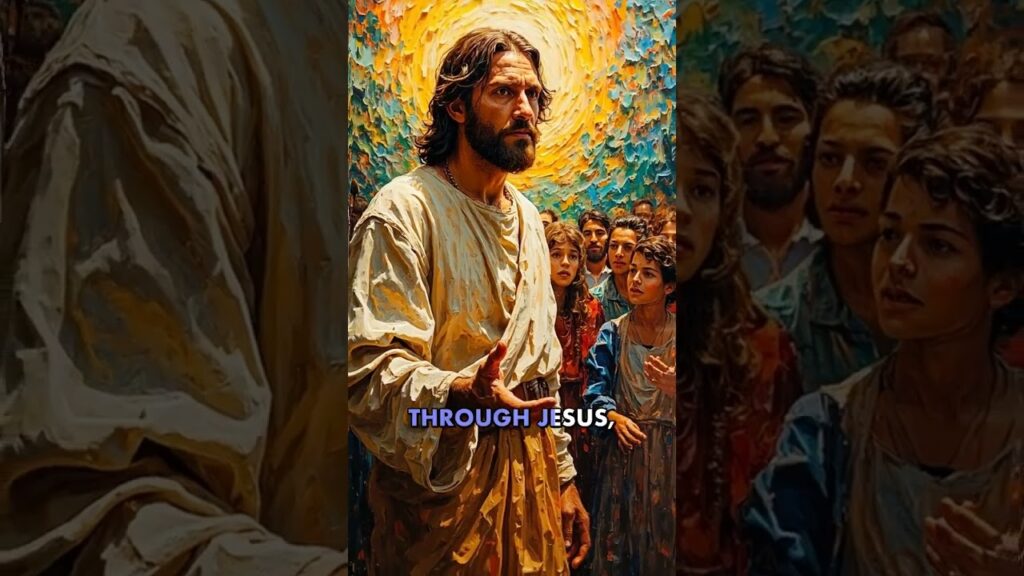
Jesus as the Bridge to Our New Identity
The life and ministry of Jesus Christ serve as the pathway to your new identity as a member of God’s family. Jesus’ work on the cross bridges the gap between you and God, offering a fresh start. Through His sacrifice, He made it possible for you to transition from spiritual orphanhood to being a beloved child of God. Christ’s role is central in this transformation, facilitating your adoption into God’s kingdom.
Christ’s Role in Transformation
Christ’s role in your spiritual transformation cannot be overstated. He embodies the divine plan for redeeming humanity, providing the ultimate act of love through His death and resurrection. By accepting Jesus, you open the door to transformation—an invitation to leave behind the burdens of sin and step into a new identity as God’s child. Jesus’ teachings, life, and resurrection exemplify the transformative power of God’s love. As you follow Christ, His spirit works within you, renewing your mind and heart, fostering a life marked by grace, peace, and purpose.
From Spiritual Orphans to Beloved Children
Before embracing Christ, you, like many, may have felt like a spiritual orphan—disconnected and searching for meaning. Through Jesus, you are welcomed into a new reality where God calls you His beloved child. This transition involves a divine exchange of your orphan spirit for a spirit of sonship and daughtership, assuring you of God’s unconditional love and favor. This shift from orphan to child is not just about status; it fundamentally changes how you see yourself and relate to others. It’s an invitation to live from a place of security, knowing you belong in God’s family.
Belonging to God’s Family
Belonging to God’s family is a profound experience that offers you acceptance, love, and purpose. As a chosen member of this divine household, you gain a sense of identity and a community that supports and nurtures your faith journey. This feeling of belonging provides you with strength and assurance in every aspect of your life.
What It Means to Be Chosen by God
Being chosen by God is a cornerstone of your faith, a truth that speaks to your inherent worth and unique purpose. God’s choice is not based on your merit or accomplishments, but His boundless love and grace. It means you are wanted, desired, and valued by the Creator of the universe. This chosen status liberates you from seeking validation from worldly standards and invites you to embrace the identity God offers. It’s a call to live confidently, knowing that you are part of something greater than yourself.
Experiencing Acceptance and Love
In God’s family, you find acceptance and love that transcends understanding. Unlike human relationships that can falter, God’s love is steadfast and unconditional. Experiencing this love fills you with a deep sense of peace and belonging. It assures you that no matter your past or present circumstances, you are embraced by a loving Father. This experience of divine acceptance empowers you to extend love and grace to others, strengthening the bonds within the community of believers.

The Divine Inheritance as God’s Children
As a child of God, you are promised a divine inheritance that goes beyond material wealth. This spiritual inheritance includes eternal life, a deep relationship with God, and the blessings that come from walking in His ways. Understanding this inheritance can reshape how you view your life and the world around you.
Understanding Our Spiritual Inheritance
Your spiritual inheritance is a gift from God, granted through your relationship with Jesus Christ. It encompasses eternal life, the indwelling of the Holy Spirit, and the peace, joy, and love that come from being in God’s kingdom. This inheritance assures you of God’s continual presence and guidance, equipping you to live a life that honors Him. It’s a reminder that, as God’s heir, you are destined for glory and purpose beyond this earthly existence.
Living as Heirs with Christ
Living as an heir with Christ invites you to walk in the fullness of your new identity, embracing the privileges and responsibilities that come with it. It means living authentically, aligned with God’s will, and reflecting His love and righteousness in your daily life. As an heir, you are called to steward your resources, gifts, and time in ways that build God’s kingdom and serve others. This lifestyle of integrity and purpose testifies to the transformative power of being part of God’s family.
Significance of ‘Abba’ – Our Heavenly Father’s Love
The term ‘Abba’ is a powerful expression of intimacy and trust, signifying your relationship with God as a loving Father. It captures the essence of His accessible and personal nature, inviting you to approach Him with confidence and closeness.
Meaning and Implications of ‘Abba’
The word ‘Abba’ is an Aramaic term for ‘father,’ but it carries a deeper connotation of warmth, affection, and authority. When Jesus used the term ‘Abba’ in prayer, He demonstrated the depth of His relationship with God—the perfect model of how you can relate to your Heavenly Father. This term signifies a relationship not just of reverence, but of love and reliance, inviting you to come to God with your joys and sorrows, assured of His unfailing attention and care.
Experiencing the Father’s Unconditional Love
Experiencing God’s love as ‘Abba’ transforms your understanding of what it means to be truly loved. This unconditional love offers security, peace, and a sense of worth that is not dependent on your actions or status. It challenges you to love others in the same way, fostering relationships marked by grace and forgiveness. Knowing God as ‘Abba’ reassures you that you are never alone; His loving presence guides you in every aspect of your life.

Embracing Our True Identity in Christ
Embracing your true identity in Christ is a journey of self-discovery that reshapes your self-perception and purpose. In Christ, you find your true worth and value, hidden in the promises and truths of God’s Word. This identity offers empowerment to live authentically and purposefully.
Recognizing Our Worth and Value
Recognizing your worth in Christ changes how you see yourself and how you interact with the world. It liberates you from trying to earn approval through accomplishments or appearances, grounding you in the truth that your value comes from being a beloved child of God. This recognition empowers you to live boldly and compassionately, confident in your inherent dignity and God-given potential.
Walking in Our New Identity
Walking in your new identity involves aligning your thoughts, actions, and decisions with God’s truth. It’s a daily choice to embrace who God says you are, rather than listening to voices of doubt or criticism. This walk calls you to embody the qualities of Christ, such as love, humility, and righteousness, impacting the world around you. As you grow in this identity, you experience freedom, peace, and purpose that testify to God’s transformative power in your life.
Challenges in Accepting Our New Identity
Accepting your new identity in Christ can be challenging, as doubts and insecurities often cloud your understanding and acceptance of God’s promises. However, overcoming these hurdles strengthens your faith and deepens your relationship with God.
Overcoming Doubts and Insecurities
Doubts and insecurities are natural, but they can hinder your acceptance of your identity in Christ. To overcome them, it’s important to immerse yourself in God’s Word, letting His promises and truths redefine your self-perception. Prayer and reflection allow you to present your doubts to God, inviting Him to strengthen your faith and remind you of His love. Surrounding yourself with a supportive community can also help you grow in confidence, as you learn from others’ experiences and insights.
Strengthening Faith and Belief
Strengthening your faith involves intentional practices that solidify your relationship with God. Regularly engaging with scripture, prayer, and worship reinforces your understanding of God’s character and His plans for you. These practices build resilience, equipping you to face challenges with assurance and hope. By continually seeking God’s presence and guidance, your belief in your identity as His child grows stronger, enabling you to live faithfully and victoriously.
Community and Fellowship in God’s Family
The community of believers, often referred to as the church, plays a crucial role in your spiritual journey, providing support, encouragement, and opportunities for growth. It’s a place where you can experience the practical outworking of your identity in Christ.
Role of the Church as a Supportive Family
The church serves as a supportive family where you can connect with others who share your faith. It offers a space to learn, serve, and worship together, fostering spiritual growth and mutual encouragement. In this community, you find mentors, friends, and fellow travelers on the journey of faith, offering support through life’s challenges and celebrating victories. The church’s role is to equip and empower you, helping you live out your identity in Christ with confidence and joy.
Building Relationships Within the Spiritual Family
Building relationships within the spiritual family enriches your faith and strengthens your sense of belonging. These relationships are grounded in shared values and goals, centered on Christ’s teachings. By investing time and effort in these connections, you experience love, accountability, and a sense of unity that transcends differences. This fellowship nurtures a spirit of service and compassion, transforming the church into a vibrant, living testament of God’s love to the world.
Conclusion
Your journey from being perceived as a spiritual orphan to an heir in God’s family is a profound transformation that redefines your identity and purpose. By embracing your status as God’s child, you discover a life of meaning, empowerment, and community. This journey invites you to explore and experience the depth of God’s love, acceptance, and promises. As you step into this new identity, you are called to reflect His love to the world and live out the divine inheritance prepared for you. May this new identity inspire you to live fully, love deeply, and walk confidently as a cherished member of God’s family. This journey is not just about understanding who you are, but about becoming who God has destined you to be—an heir to His eternal kingdom.
Ever wondered what it feels like to be chosen, wanted, and to belong? In this video, explore how adoption in biblical times symbolizes your new identity in God’s family. Learn how Jesus transforms you from spiritual orphans into beloved children with divine inheritance. Discover the meaning of ‘Abba’ and the profound love of your Heavenly Father. Like, subscribe, and embrace your true identity today! #GodsFamily #AdoptionInChrist #SpiritualInheritance